 Translate

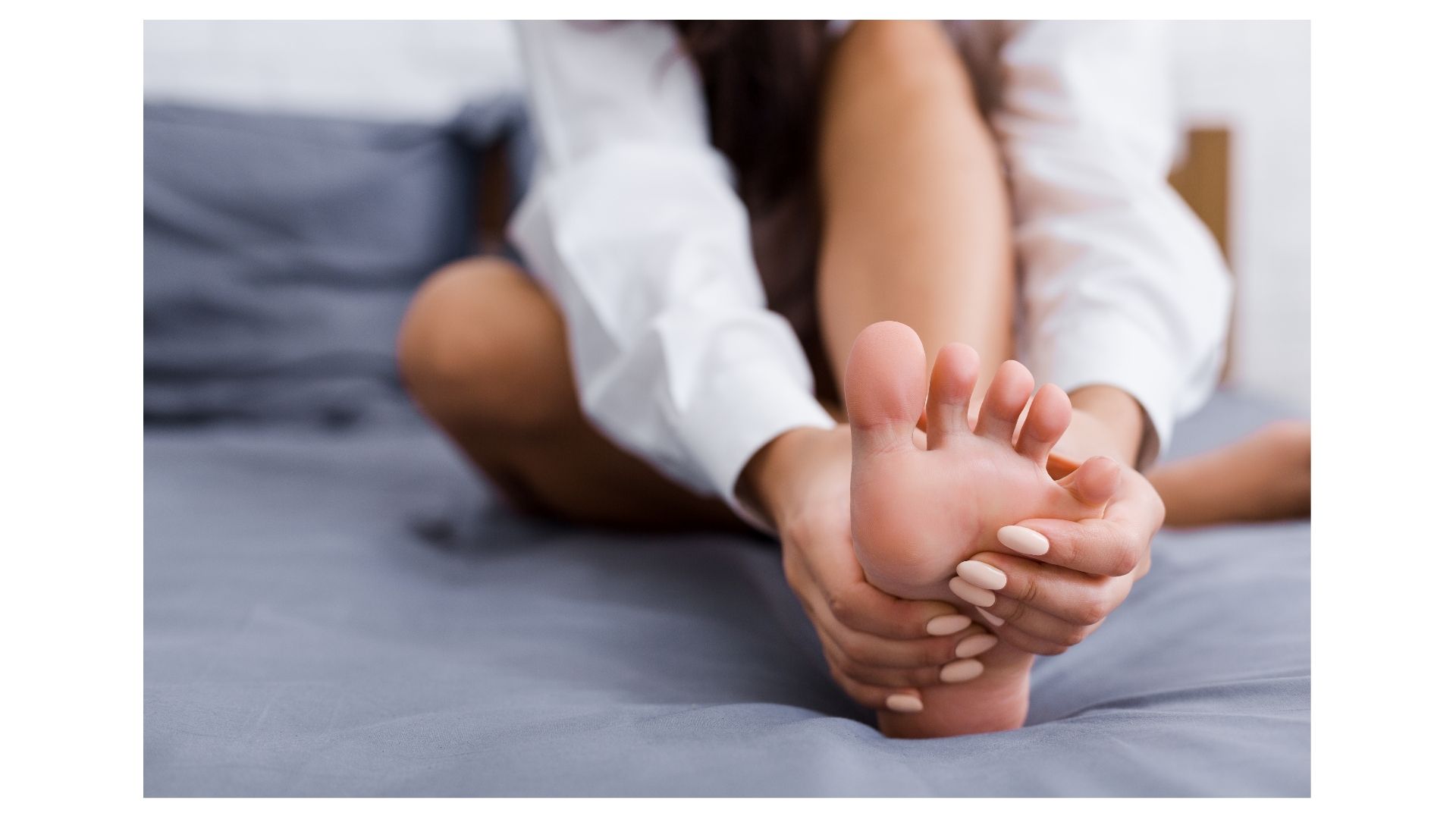
Heel pain stopping you in your tracks in Lenexa? Dr. Meylor addresses the mechanical root causes of plantar fasciitis — from the foot and ankle up through the pelvis.
The first steps out of bed in the morning are the tell. That sharp, stabbing heel pain that hits the moment your foot touches the floor — the kind that gradually eases as you walk around but returns with a vengeance after sitting for a while, or at the end of a long day on your feet. If this is a familiar experience, you're likely dealing with plantar fasciitis — and you're in good company. It's one of the most common causes of heel and foot pain in adults, affecting an estimated two million Americans each year.
For Lenexa runners who've had to back off their training, for warehouse and retail workers who spend eight to ten hours on concrete floors, for walkers and active adults throughout Johnson County whose foot pain has started limiting the activities they depend on — the path to lasting relief from plantar fasciitis requires more than stretching and supportive shoes. It requires understanding and addressing the mechanical and structural factors that are loading the plantar fascia beyond its capacity to tolerate.
At Meylor Chiropractic and Acupuncture in Lenexa, Dr. Meylor has helped patients throughout the Lenexa area recover from plantar fasciitis and chronic foot pain by looking at the problem from the ground up — and from the pelvis down.
What Is the Plantar Fascia and Why Does It Become Inflamed?
The plantar fascia is a thick band of connective tissue that runs along the bottom of the foot, connecting the heel bone (calcaneus) to the base of the toes. It functions as a passive tensioning structure — a spring-like element that stores and releases energy during walking and running, supporting the arch of the foot and contributing to the efficient transfer of force from the calf through the foot and into the ground.
Plantar fasciitis develops when the plantar fascia is subjected to repetitive mechanical stress that exceeds its capacity to recover — producing micro-tears at the insertion point on the heel, an inflammatory response, and the characteristic pain pattern that worsens with the first steps after rest and at the end of prolonged weight-bearing.
The word "fasciitis" implies inflammation, and while inflammation is present in acute cases, chronic plantar fasciitis is now understood to involve degenerative changes in the fascial tissue rather than purely active inflammation — which is why anti-inflammatory medications often provide incomplete relief and why addressing the mechanical loading is essential for genuine recovery.
Why Plantar Fasciitis Is Often a Whole-Body Mechanical Problem
Here's what most Lenexa plantar fasciitis patients haven't been told: the foot is the end of a kinetic chain that begins at the pelvis and runs through the hip, knee, and ankle before reaching the foot. What happens at the foot during walking is determined by what's happening above it — and the mechanical stresses that produce plantar fasciitis are frequently generated not just at the foot, but by dysfunction at multiple points along the lower extremity chain.
Overpronation and Arch Mechanics
Overpronation — the excessive inward rolling of the foot and ankle during weight-bearing — is the most commonly cited local contributor to plantar fasciitis. When the foot overpronates, the arch flattens excessively and the plantar fascia is placed under increased tensile load with every step. Over thousands of steps per day, this cumulative loading exceeds the fascia's capacity for recovery.
But overpronation itself has upstream causes. Weak hip abductors and external rotators allow the femur to adduct and internally rotate during stance, driving the knee into a valgus position that in turn promotes ankle pronation. Pelvic misalignment can create an asymmetrical loading pattern that loads one foot differently than the other — which is why plantar fasciitis is often unilateral, affecting the foot on the same side as the more significantly misaligned hemipelvis.
Ankle and Subtalar Joint Restriction
Restricted ankle dorsiflexion — the ability to bring the foot toward the shin — is one of the strongest predictors of plantar fasciitis development. When the ankle can't dorsiflex adequately during the midstance phase of gait, the body compensates by pronating the foot and rolling the arch inward to achieve the forward progression the ankle won't allow. This compensatory pronation loads the plantar fascia directly.
Ankle joint restrictions — often residual from old ankle sprains or fractures that were treated but not fully rehabilitated — are a common and frequently overlooked contributor to plantar fasciitis in Lenexa patients. Chiropractic mobilization of the ankle and subtalar joints to restore normal dorsiflexion range of motion is often a critical component of effective plantar fasciitis treatment.
Calf and Achilles Tightness
The gastrocnemius and soleus — the calf muscles — attach to the heel via the Achilles tendon, and their tension directly influences the load on the plantar fascia. Chronically tight calf muscles increase the tensile pull on the plantar fascia from above, compounding the strain from below. For Lenexa runners and workers who spend long periods on their feet, calf tightness is an almost universal finding in plantar fasciitis cases.
Pelvic and Lumbar Alignment
The pelvis and lumbar spine set the mechanical context for everything below them. Pelvic misalignment — whether sacroiliac joint dysfunction, an unlevel pelvis, or lumbar scoliosis — creates asymmetrical loading of the lower extremities that concentrates mechanical stress on specific structures of the foot and ankle. For Lenexa patients whose plantar fasciitis is unilateral, the pelvis is almost always worth evaluating as a contributing factor.
How Meylor Chiropractic Treats Plantar Fasciitis in Lenexa
When a Lenexa patient presents with plantar fasciitis or chronic foot pain, Dr. Meylor's assessment goes beyond the foot to evaluate the full mechanical picture. This includes pelvic and lumbar alignment, hip mobility and strength, knee mechanics, ankle dorsiflexion range of motion, subtalar and midfoot joint mobility, and gait pattern.
From that assessment, a personalized care plan is built around the specific mechanical contributors present in that patient's presentation. For most Lenexa plantar fasciitis patients, this involves:
Chiropractic adjustments to the foot, ankle, and subtalar joints — restoring normal joint mobility to the ankle and foot, particularly addressing the restricted dorsiflexion that drives compensatory pronation. Foot and ankle adjustments are precise, controlled, and often produce immediate improvements in range of motion and the mechanics of weight-bearing.
Pelvic and lumbar adjustments — addressing the proximal mechanical contributors that load the foot asymmetrically. For patients whose plantar fasciitis is one component of a broader lower extremity mechanical picture, pelvic realignment is essential for lasting recovery.
Soft tissue therapy to the plantar fascia and calf — releasing the chronic tension in the gastrocnemius, soleus, and plantar fascia itself through manual therapy and targeted soft tissue techniques. Breaking down adhesions in the fascial tissue and releasing calf trigger points reduces the mechanical load on the plantar fascia directly.
Acupuncture for pain and tissue healing — Meylor Chiropractic and Acupuncture integrates acupuncture into plantar fasciitis care for patients where it's indicated. Acupuncture has a well-supported evidence base for plantar fasciitis, reducing pain through neurological mechanisms and supporting tissue healing through improved local circulation. For Lenexa patients dealing with significant chronic pain or slow-healing fascial tissue, acupuncture is a valuable addition to the care plan.
At-Home Care Tips for Lenexa Plantar Fasciitis Patients
In addition to in-office care, there are several things Lenexa patients can do between visits to support recovery and reduce the daily strain on the plantar fascia:
Plantar fascia stretching before first steps — Before getting out of bed in the morning, spend 30 to 60 seconds pulling the toes back toward the shin and holding — stretching the plantar fascia before it bears weight. This significantly reduces the first-step pain that characterizes plantar fasciitis.
Calf stretching — both straight-leg and bent-knee — Stretching the gastrocnemius (straight leg, foot against a wall) and the soleus (bent knee) twice daily addresses both components of the calf complex. Hold each stretch for 30 to 45 seconds.
Frozen water bottle rolling — Rolling the arch of the foot over a frozen water bottle for 5 to 10 minutes reduces local inflammation and provides a gentle fascial massage. This is particularly effective after a long day on your feet.
Supportive footwear from the first step — Walking barefoot on hard floors — especially first thing in the morning — loads the plantar fascia without arch support and significantly slows recovery. Keeping supportive footwear next to the bed and putting it on before standing is a simple but important habit change for Lenexa plantar fasciitis patients.
Avoiding prolonged static standing — For Lenexa warehouse and retail workers, minimizing continuous standing on hard surfaces — using anti-fatigue mats, shifting weight regularly, and taking seated breaks when possible — reduces the cumulative fascial loading that drives symptom flare-ups.
How Long Does Recovery Take?
With appropriate conservative care, most Lenexa patients with plantar fasciitis experience significant improvement within four to eight weeks. The key variables are the chronicity of the condition — acute presentations respond faster than cases that have been present for a year or more — and whether the proximal mechanical contributors are being addressed alongside local treatment.
Patients who've had cortisone injections without addressing the mechanical causes typically find that symptoms return, because the injection addresses the inflammatory response without changing the loading that produces it. Chiropractic care that corrects the mechanical contributors produces more durable results because it changes the structural environment rather than temporarily quieting the tissue's response to it.
Get Back on Your Feet in Lenexa
If you're a runner, a walker, or someone who spends long hours on your feet in Lenexa and plantar fasciitis has been limiting what you can do — Meylor Chiropractic and Acupuncture offers the comprehensive mechanical assessment and personalized care plan that this condition requires.
Same-day appointments are often available. Most major insurance plans are accepted — call to confirm your coverage.
Call today: (913) 227-0909 📍 12980 W 87th St Pkwy, Lenexa, KS 66215 🌐 meylorchiro.com
---
Meylor Chiropractic and Acupuncture 12980 W 87th St Pkwy, Lenexa, KS 66215 (913) 227-0909 meylorchiro.com Dr. Meylor — Serving Lenexa since 2005
