 Translate

Acupuncture explained for Lenexa patients. Learn how acupuncture works, what it treats, and what to expect at your visit at Meylor Chiropractic.
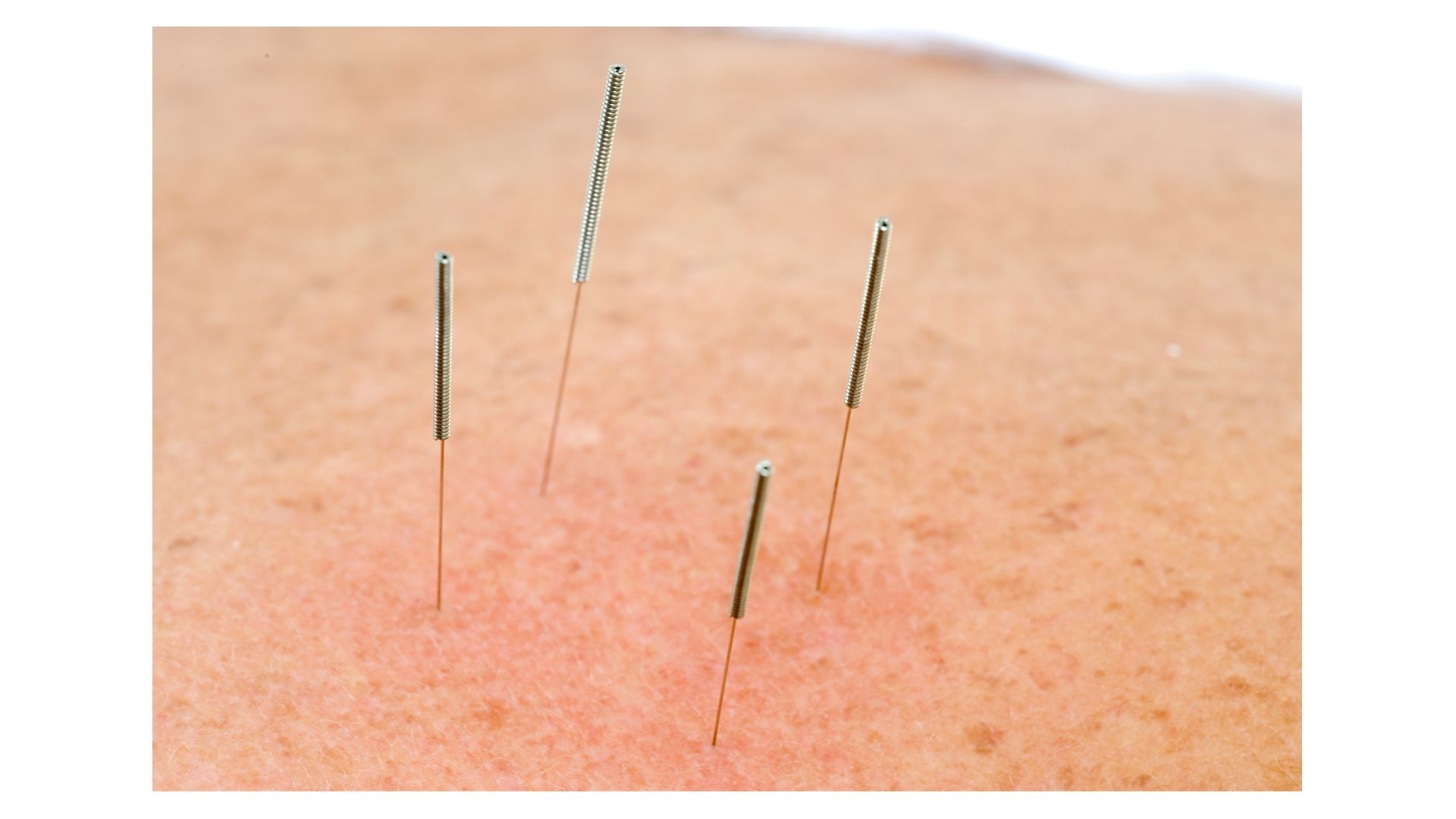
!Acupuncture needles inserted into skin at Meylor Chiropractic in Lenexa
For something that has been practiced for thousands of years, acupuncture is still surrounded by mystery for many people considering it for the first time. Does it actually do something measurable, or is it just placebo? How can tiny needles relieve back pain, headaches, or anxiety? Is there real science behind it, or is the whole thing built on tradition alone?
These are the questions we hear constantly at our Lenexa office, and they deserve straightforward answers. At Meylor Chiropractic and Acupuncture, we believe the best patients are informed patients, especially when it comes to alternative medicine. This guide explains what acupuncture actually is, what modern science says about how it works, what it can realistically help with, and what to expect when you walk into our Lenexa office for your first session.
What Is Acupuncture? A Simple Explanation
Acupuncture is the practice of inserting very thin, sterile needles into specific points on the body to influence how the nervous system, muscles, and connective tissues respond. The needles are nothing like the ones used for injections. They are hair-thin, flexible, and most patients describe the sensation as a brief tap followed by an unusual but not painful pressure.
The practice originated in China more than 2,000 years ago and was traditionally explained through the concept of qi, the body's vital energy flowing through pathways called meridians. Modern acupuncture, especially the kind practiced in clinical settings across the United States, blends this traditional framework with current understanding of anatomy, neurology, and physiology. According to the National Center for Complementary and Integrative Health, acupuncture is now one of the most studied forms of complementary medicine in the country, with a substantial body of research backing its use for several conditions.
For patients in Lenexa who are new to alternative medicine, the most important point is this: acupuncture is not a belief system you need to subscribe to. It is a clinical tool with measurable physiological effects, used by trained practitioners as part of a broader wellness approach.
How Does Acupuncture Actually Work? The Modern Science
Researchers have spent decades studying what happens inside the body during an acupuncture session. While the full picture is still being mapped, several mechanisms are now well-documented in clinical literature.
### The Nervous System Response
When a needle is placed at an acupuncture point, it stimulates nerve fibers in the skin and underlying tissues. These nerves send signals to the spinal cord and brain, triggering the release of neurotransmitters that influence pain perception, muscle tension, and stress response. The Mayo Clinic notes that this neural response is one of the primary ways acupuncture appears to produce its effects.
### Endorphin Release and Natural Pain Relief
Acupuncture stimulates the release of endorphins, the body's own pain-relieving chemicals. This is why many patients in Lenexa report a wave of calm and reduced pain following a session, often lasting hours or days. Unlike medication, this pain relief comes from inside your own body, with no side effects to manage.
### Blood Flow and Tissue Healing
Needle insertion creates a tiny microtrauma at the treatment site, which the body responds to by increasing local circulation and triggering its natural repair processes. Improved blood flow brings oxygen and nutrients to tissues that have been chronically tight, inflamed, or injured. This is one reason acupuncture pairs so well with chiropractic care for musculoskeletal conditions.
### The Inflammation Connection
Chronic inflammation underlies many modern health problems, from joint pain to digestive issues to fatigue. Acupuncture has been shown to modulate the body's inflammatory response, helping shift the system out of a state of constant low-grade activation. For many patients, this is where the broader wellness benefits begin to show up.
### Parasympathetic Activation
Most people today live in a near-constant state of fight-or-flight, with the sympathetic nervous system dominant. Acupuncture appears to activate the parasympathetic branch, the rest-and-digest state, which improves sleep, digestion, recovery, and overall stress resilience. This is why many sessions feel deeply relaxing, and why patients often report better sleep that same night.
Acupuncture is not magic, and it is not just placebo. It is a clinical tool that influences the nervous system, circulation, inflammation, and the body's natural healing processes in ways researchers can now measure.
What Acupuncture Treats: Conditions Commonly Addressed
One of the most common questions we hear in Lenexa is simply, "What can acupuncture help with?" The honest answer is that the evidence is stronger for some conditions than others, but the list of conditions where acupuncture has clinical support is long and growing. At Meylor Chiropractic and Acupuncture, we most commonly use acupuncture care for the following:
- Chronic pain. Including back pain, neck pain, joint pain, and muscle tension that has not responded to other approaches.
- Headaches and migraines. Tension headaches, migraine prevention, and stress-related head pain often respond well to acupuncture. See our work on headaches and migraines for more.
- Sciatica and nerve pain. Acupuncture can reduce nerve-related pain and inflammation, often pairing with sciatica care for stronger results.
- Anxiety and stress. The parasympathetic activation effect makes acupuncture a powerful tool for chronic stress and anxiety-related muscle tension.
- Sleep disturbances. Many patients in Lenexa report better, deeper sleep within just a few sessions.
- Digestive issues. Acupuncture has clinical support for nausea, certain types of indigestion, and stress-related digestive complaints.
- Auto accident recovery. Acupuncture complements our auto injury relief care by reducing inflammation and supporting tissue healing.
- Fatigue and energy regulation. Particularly useful when stress and poor sleep are part of the picture.
- Hormonal balance. Including support for menstrual irregularities, menopause symptoms, and fertility wellness.
This list is not exhaustive, and acupuncture is always practiced in the context of a complete health evaluation. We never claim acupuncture is a cure for everything, but for the conditions above, the clinical support is meaningful and growing.
What to Expect at an Acupuncture Visit in Lenexa
If you have never tried acupuncture, knowing what happens during a session removes most of the hesitation. Here is what a typical first visit looks like at our office.
### The Initial Consultation
Your first appointment starts with a thorough conversation. We learn about your health history, current symptoms, sleep patterns, stress levels, diet, and goals. This is not just paperwork. It is how we build a treatment plan that fits your specific situation rather than applying a one-size-fits-all approach.
### The Treatment Itself
You lie comfortably on a treatment table, usually face up or face down depending on which areas are being treated. Dr. Meylor inserts thin needles at specific points, most of which are not where your symptoms are located. The needles stay in for 15 to 30 minutes while you relax. Many patients fall asleep during this part of the session.
### After the Session
Once the needles are removed, you may feel a wave of relaxation, mild fatigue, or sometimes a noticeable lift in mood. We talk through how the session went, recommend any home strategies that complement the work, and schedule your next visit if appropriate.
For musculoskeletal complaints, acupuncture often pairs naturally with our broader chiropractic care services. Combining the two approaches addresses both the structural and the neurological sides of chronic pain.
Is Acupuncture Safe? Common Concerns Addressed
Acupuncture performed by a trained, licensed practitioner has an excellent safety profile. The needles are single-use, sterile, and disposed of after each session. Side effects are rare and usually mild when they do occur, such as minor bruising or brief soreness at a treatment point.
That said, acupuncture is not appropriate for every situation. Patients with certain bleeding disorders, those on specific blood-thinning medications, and individuals with active infections at proposed needle sites need careful evaluation first. This is why a thorough consultation is part of every initial visit.
For most adults in Lenexa, acupuncture is a low-risk, drug-free option that fits well alongside other forms of care. It does not interfere with prescription medications, surgical recovery, or ongoing medical treatment in most cases, and it can be safely combined with chiropractic adjustments, massage therapy, and conventional medical care.
Curious About Acupuncture? Schedule a Free Consultation
You do not have to decide everything before your first visit. We offer free consultations so you can ask questions, learn what acupuncture might do for your specific situation, and decide whether it is the right fit. No pressure, no obligation.
Schedule Free Consultation | Call (913) 227-0909
Frequently Asked Questions
Does acupuncture hurt?
Most patients are surprised at how little they feel. Acupuncture needles are about the diameter of a human hair, far thinner than the needles used for shots or blood draws. The most common sensation is a brief tap at insertion followed by a mild pressure or warmth.
How many sessions will I need?
It depends on your condition. Acute issues may respond in just a few visits, while chronic conditions typically benefit from a series of sessions over several weeks. Dr. Meylor will recommend a plan based on your specific situation and goals.
Is acupuncture covered by insurance?
An increasing number of insurance plans cover acupuncture, especially for pain-related conditions. Coverage varies significantly, so we recommend calling us at (913) 227-0909 to verify your specific plan before your first visit.
Can I do acupuncture along with my regular medical care?
Yes, in nearly all cases. Acupuncture is a complementary approach that works alongside conventional medicine, not as a replacement. We are happy to coordinate with your other healthcare providers.
How long does a typical session last?
Plan on about 60 minutes for your first visit, including the initial consultation. Follow-up sessions usually run 30 to 45 minutes.
What is the difference between acupuncture and dry needling?
The two approaches use similar tools but rest on different frameworks. Acupuncture is rooted in traditional Chinese medicine principles informed by modern science. Dry needling is a Western-derived technique focused specifically on muscular trigger points. Both can be effective, but acupuncture treats a broader range of conditions.
