 Translate

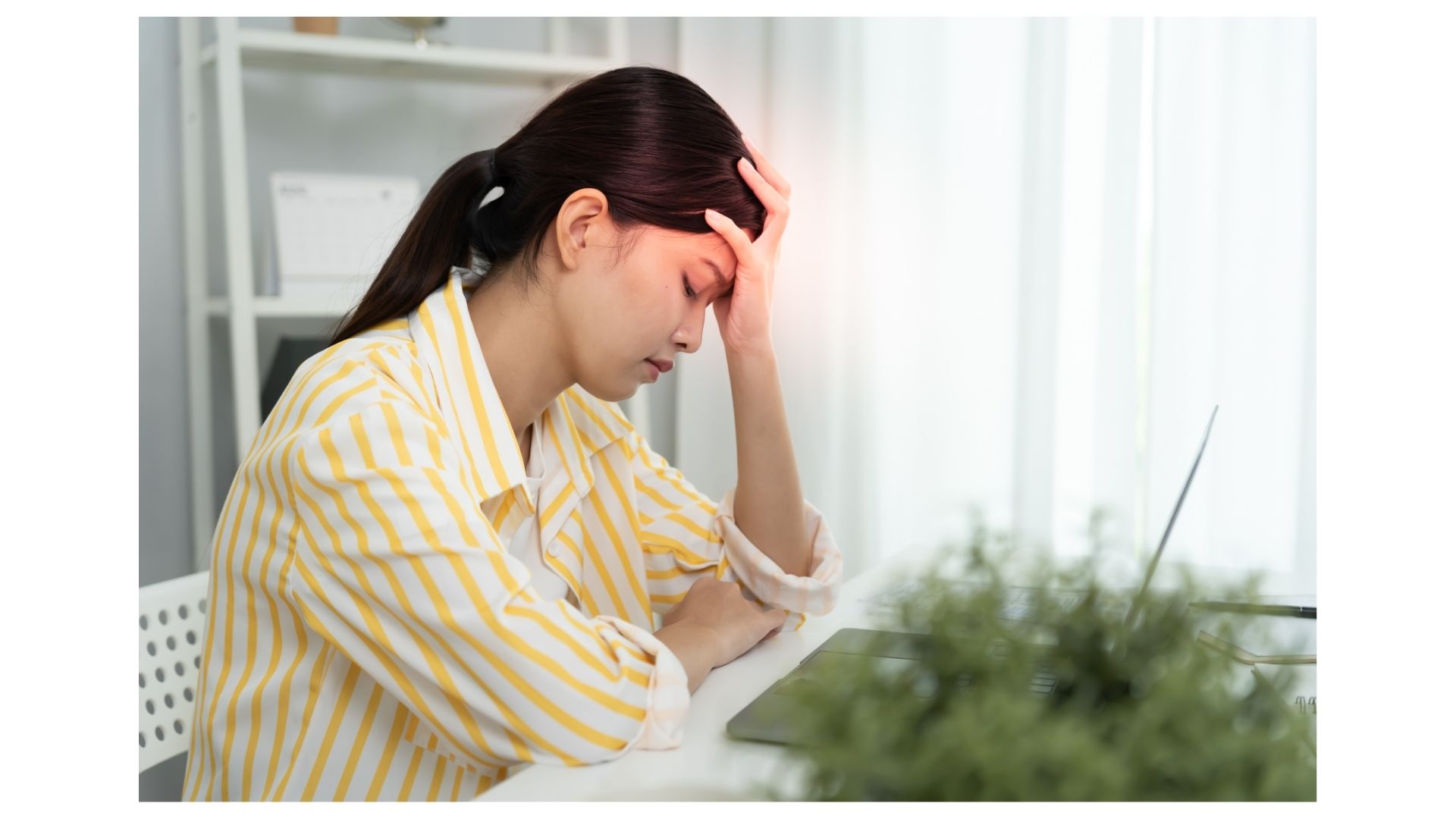
Many chronic headaches in Lenexa are actually cervicogenic — originating in the cervical spine. Dr. Meylor identifies and treats the neck-based source of headache pain with chiropractic and acupuncture.
Most Lenexa residents who deal with chronic headaches have a story that goes something like this: the headaches started gradually, were attributed to stress or screen time, and have been managed — not resolved — for years with over-the-counter pain relievers, the occasional prescription, and the resigned acceptance that headaches are just part of life now.
What most of these patients haven't been told is that a significant proportion of chronic headaches — including many that have been labeled as migraines or tension headaches — are actually cervicogenic. They originate in the cervical spine. The neck is the problem. And no amount of medication addresses the neck.
At Meylor Chiropractic and Acupuncture in Lenexa, Dr. Meylor has been helping headache patients throughout the Lenexa and Johnson County area identify the cervical source of their pain and address it directly — through chiropractic adjustments, acupuncture, and a comprehensive approach that gives patients their lives back rather than simply managing symptoms.
What Is a Cervicogenic Headache?
Cervicogenic headache — literally, a headache that originates from the cervical spine — is one of the most common and most underdiagnosed headache types. It's produced when dysfunction in the joints, muscles, nerves, or discs of the cervical spine generates pain that refers into the head through the trigeminocervical nucleus — the anatomical convergence point where upper cervical nerve input and trigeminal nerve input meet in the brainstem.
Because of this convergence, cervical spine dysfunction can produce pain that's felt not in the neck, but in the head — at the base of the skull, behind the eyes, across the forehead, at the temple, or in a pattern that wraps around one side of the head. This referred pattern is why cervicogenic headaches are so frequently mistaken for tension headaches or migraines. The pain is genuinely in the head. The source is in the neck.
Key clinical features that suggest cervicogenic origin include:
- Pain that's consistently on one side of the head
- Headaches that are triggered or worsened by specific neck movements or sustained postures
- Restricted cervical range of motion, particularly in the upper neck
- Tenderness in the upper cervical joints and surrounding musculature
- A history of neck injury — including whiplash from motor vehicle accidents
- Headaches that begin at the base of the skull and spread forward
For Lenexa patients who recognize their headache pattern in this description — and who've been told they have migraines without ever having a cervical spine evaluation — the distinction matters enormously for treatment.
The Lenexa Lifestyle and Cervicogenic Headache Risk
There's a reason cervicogenic headaches are so prevalent among adults throughout Lenexa and Johnson County. The combination of factors that drive cervical dysfunction — and therefore cervicogenic headache — maps directly onto how most Lenexa residents spend their days.
Commuting on I-435 and the 87th Street corridor — prolonged driving posture, with the head slightly forward and the cervical spine in sustained static load, is one of the most reliable ways to develop the upper cervical dysfunction that produces cervicogenic headaches. Lenexa residents who spend significant time commuting are accumulating cervical mechanical stress that doesn't resolve when they park the car.
Extended screen time — whether at a desk, on a laptop, or looking down at a phone, screen use drives forward head posture. For every inch the head shifts forward of neutral, the effective load on the cervical spine increases substantially. The suboccipital muscles — the muscles at the base of the skull most directly involved in cervicogenic headache generation — become chronically compressed and overloaded.
Work-from-home ergonomics — kitchen tables, couches, and poorly configured home workspaces are even more likely to produce cervical mechanical stress than properly set up office environments. Many Lenexa remote workers have been sitting in suboptimal positions for years, and their cervical spines reflect it.
History of whiplash — prior motor vehicle accidents, even those that seemed minor at the time, can produce cervical joint and soft tissue injuries that never fully healed. For Lenexa patients with a history of accidents on I-435 or local corridors, old whiplash injuries are a frequent contributor to current headache patterns.
The Upper Cervical Spine and Headache Generation
The most clinically important cervical levels for headache generation are C1, C2, and C3 — the uppermost cervical vertebrae, closest to the skull. The joints at these levels have a direct neurological connection to the trigeminal nerve through the trigeminocervical nucleus, and dysfunction here is the most common cervical contributor to headache pain that refers into the head.
The suboccipital muscles — the group of small, deep muscles that connect the upper cervical vertebrae to the base of the skull — are at the center of cervicogenic headache generation. These muscles are exquisitely sensitive to postural load and mechanical stress, and they develop the trigger points and chronic tension that refer pain into the head in the patterns most Lenexa headache patients recognize.
When C1 and C2 are subluxated — misaligned in ways that alter joint mechanics and compress the surrounding neurovascular structures — the neurological irritation produced directly sensitizes the trigeminal pain pathways. The headache threshold drops. Triggers that wouldn't have produced a headache in a healthy cervical spine begin to reliably generate one.
The thoracic spine also plays a role. A thoracic spine locked in flexion forces the cervical spine to extend more than it should to bring the head to a level position — compressing the posterior cervical joints and amplifying the mechanical load on the upper cervical structures already under stress.
Why Acupuncture Makes Chiropractic Headache Care More Effective
Meylor Chiropractic and Acupuncture integrates acupuncture into headache care for patients where it's indicated — and for cervicogenic and chronic headache patients, it frequently is.
Acupuncture has one of the strongest evidence bases in natural medicine for headache management. Multiple high-quality clinical trials have demonstrated that acupuncture reduces headache frequency and intensity for both tension-type headaches and migraines — with effects that persist well beyond the treatment period and that compare favorably to prophylactic medication.
The mechanisms through which acupuncture benefits headache patients include modulation of the trigeminocervical pain pathways, reduction of inflammatory mediators associated with migraine generation, regulation of the autonomic nervous system, and release of the chronic muscular tension in the suboccipital and cervical muscles that contributes to cervicogenic pain.
For Lenexa headache patients whose pain has a significant muscular component — and most chronic headache patients have significant cervical muscular involvement — the combination of chiropractic adjustments to restore cervical joint mechanics and acupuncture to address the muscular and neurological dimensions of pain produces results that neither approach achieves as consistently alone.
Distinguishing Cervicogenic Headache from Migraine and Tension Headache
For Lenexa patients who've been carrying a migraine or tension headache diagnosis for years, it's worth understanding the clinical distinctions — because treatment that's appropriate for one type is often ineffective for another.
True migraines involve a specific neurological cascade — cortical spreading depression, trigeminal activation, and the characteristic unilateral throbbing pain with nausea and photophobia. Migraines can be triggered or worsened by cervical dysfunction, and cervicogenic components frequently coexist with migraine, but the migraine mechanism itself is distinct.
Tension-type headaches are the most common headache type and are primarily musculoskeletal in origin — the bilateral pressure or tightness that comes from chronic cervical and upper shoulder tension. They respond very well to chiropractic care addressing the structural contributors.
Cervicogenic headaches are typically unilateral, linked to specific cervical movements or postures, associated with restricted cervical range of motion, and often associated with a history of cervical injury. They may closely mimic migraine in their distribution and intensity but have a structural rather than primarily neurological cause.
The clinical importance of this distinction for Lenexa patients is that cervicogenic headaches — unlike true migraines — are driven by a mechanical problem that has a mechanical solution. Medication that manages migraine may provide no benefit for a cervicogenic headache. Chiropractic care that addresses the cervical dysfunction driving cervicogenic headache often produces rapid and significant relief for patients who've been managing their headaches for years without addressing the source.
What Headache Evaluation at Meylor Chiropractic Looks Like
When a Lenexa headache patient comes to Meylor Chiropractic and Acupuncture, Dr. Meylor begins with a thorough history — the headache pattern, frequency, duration, location, associated features, known triggers, and the full picture of what's been tried. This history is the foundation for distinguishing headache types and identifying the most likely structural contributors.
The physical examination includes cervical and thoracic spinal assessment, upper cervical joint palpation and provocation testing, range of motion evaluation, postural analysis, and neurological screening. Together, these findings determine whether cervicogenic dysfunction is present and which structures are most involved.
From that evaluation, Dr. Meylor builds a personalized care plan — adjustments targeted at the specific cervical and thoracic levels driving the headache pattern, acupuncture when indicated for pain reduction and muscular release, and practical guidance on the ergonomic and lifestyle factors that are contributing to cervical loading in daily life.
Same-day appointments are often available for new headache patients in Lenexa. Most major insurance plans are accepted — call to confirm coverage.
Your Headaches May Have a Cervical Source — and a Real Solution
If you've been managing headaches in Lenexa without ever having your cervical spine thoroughly evaluated, you may not have found the source of your pain yet. Meylor Chiropractic and Acupuncture has been providing root-cause headache care to Lenexa and Johnson County patients since 2005.
Call today: (913) 227-0909 📍 12980 W 87th St Pkwy, Lenexa, KS 66215 🌐 meylorchiro.com
---
Meylor Chiropractic and Acupuncture 12980 W 87th St Pkwy, Lenexa, KS 66215 (913) 227-0909 meylorchiro.com Dr. Meylor — Serving Lenexa since 2005
