 Translate

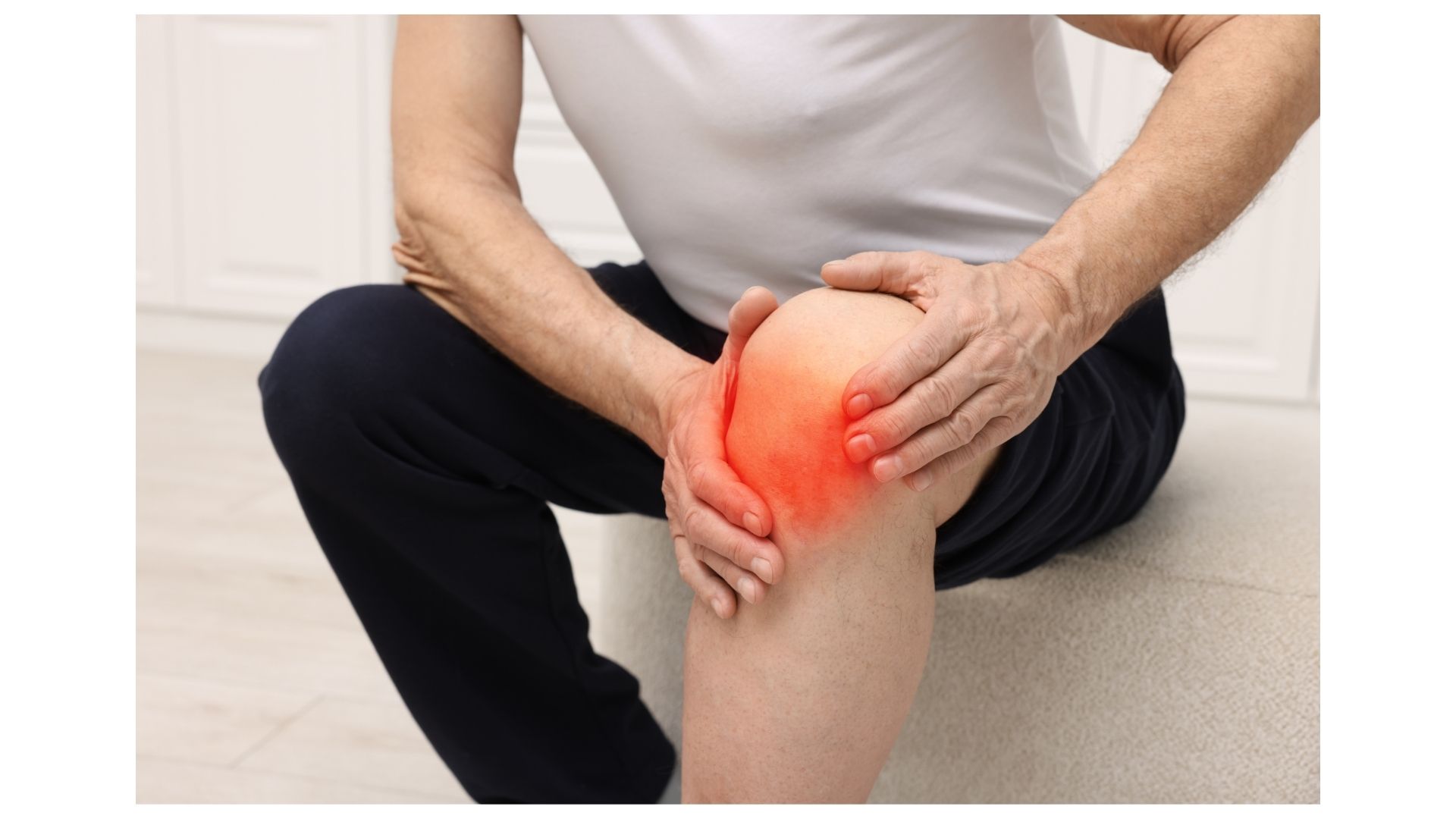
If you've been living with hip, buttock, or lower back pain that hasn't responded to treatment, sacroiliac joint dysfunction may be the missing diagnosis. Learn how Dr. Meylor identifies and treats the actual source of your lower body pain in Lenexa.
There's a particular kind of lower body pain that sends people on a diagnostic journey that can take months or years to resolve. It feels like it might be the hip. Then an MRI suggests it might be a disc. A physiatrist mentions the SI joint. The pain moves around — sometimes deep in the buttock, sometimes radiating down the leg, sometimes presenting as lower back aching that gets worse when you stand up from a chair or roll over in bed.
If this sounds familiar, and you live in Lenexa or the surrounding Johnson County area, there's a reasonable chance that sacroiliac joint dysfunction is at the center of your picture — possibly in combination with other structural contributors — and that it's been missed or inadequately treated because SI joint dysfunction is one of the most underdiagnosed sources of lower body pain in conventional medicine.
At Meylor Chiropractic and Acupuncture in Lenexa, Dr. Meylor has been helping patients identify and treat the actual source of their hip and lower back pain since 2005. For many Lenexa patients, that source turns out to be the sacroiliac joint — and the relief that follows proper diagnosis and treatment can be significant.
What Is the Sacroiliac Joint and Why Does It Matter?
The sacroiliac joint — the SI joint — is the joint where the sacrum (the triangular bone at the base of the spine) meets the iliac bone of the pelvis on each side. There are two SI joints, one on the left and one on the right, and together they serve as the structural link between the spine and the lower extremity.
The SI joints bear the full weight of the upper body and transmit it to the pelvis and legs during every step, sit-to-stand transition, and weight-bearing activity. They're stabilized by some of the strongest ligaments in the body — necessary given the forces they manage — and they have a relatively small normal range of motion. Just a few millimeters of movement is all the SI joint normally produces, but that small movement is essential for shock absorption and force transmission during gait.
When the SI joint becomes misaligned, inflamed, or hypermobile — moving more than it should due to ligamentous laxity — the consequences can be significant and wide-ranging. Pain that originates in a dysfunctional SI joint can be felt locally at the joint itself (just below the dimples at the base of the spine), in the buttock, along the outer hip, in the groin, and down the leg in patterns that closely mimic sciatica. Understanding this referral pattern is essential for distinguishing SI joint dysfunction from other conditions.
SI Joint Dysfunction vs. Sciatica vs. Herniated Disc: Getting the Diagnosis Right
One of the most clinically important — and most frequently confused — distinctions in lower body pain is between SI joint dysfunction, lumbar disc herniation, and true sciatica. These conditions share overlapping symptoms and are often misattributed to one another, leading to treatments that target the wrong structure and leave the patient no better.
### SI Joint Pain Pattern
SI joint dysfunction typically produces:
- Pain at or just below the posterior iliac spine (the dimple area of the lower back)
- Buttock pain, often described as deep and aching
- Pain that radiates into the outer hip or groin
- Leg pain that may extend into the thigh but rarely below the knee
- Pain that's worse with prolonged sitting, getting up from a chair, rolling over in bed, and single-leg activities like climbing stairs
- Relief with lying down in a supported position
### Sciatica and Disc Herniation Pattern
True sciatica — resulting from lumbar disc herniation or nerve root compression — typically produces:
- Pain that begins in the lower back and radiates clearly down the leg, often past the knee and into the foot
- Numbness, tingling, or weakness in a dermatomal pattern (specific areas of the leg corresponding to specific nerve roots)
- Pain that's worsened by prolonged sitting or the Valsalva maneuver (coughing, sneezing, bearing down)
- Neurological findings on examination — reduced reflexes, muscle weakness, sensory changes
The critical point is that SI joint dysfunction can produce leg pain that superficially resembles sciatica — but the distribution is different, and the neurological findings are absent. A thorough clinical examination that includes SI joint provocation testing is essential for making the distinction.
For Lenexa patients who've been told they have sciatica but haven't responded to treatment targeting the lumbar spine, SI joint dysfunction is worth investigating carefully.
Why MRI Misses SI Joint Dysfunction
One of the reasons SI joint dysfunction goes undiagnosed for so long in many Lenexa patients is that standard lumbar MRI — the imaging study most commonly ordered for lower back and hip pain — doesn't reliably visualize the SI joint, and any disc findings that appear on MRI are frequently blamed for symptoms that are actually originating from the SI joint.
This is a well-recognized problem in musculoskeletal medicine: the presence of disc degeneration or bulging on MRI correlates poorly with pain, and attributing a patient's symptoms to incidental disc findings while missing the actual SI joint dysfunction leads to ineffective treatment and prolonged suffering.
Dr. Meylor's clinical examination approach includes specific SI joint provocation tests — the FABER test, Gaenslen's test, the compression and distraction tests, and others — that are more sensitive for SI joint dysfunction than imaging alone.
Common Causes of SI Joint Dysfunction in Lenexa Patients
Understanding what causes SI joint dysfunction helps identify who is most at risk and what factors need to be addressed for lasting recovery.
Pelvic asymmetry and leg length discrepancy — When the pelvis is chronically unlevel — due to a true leg length difference or a functional imbalance — the SI joints are loaded asymmetrically, placing one joint under greater stress than the other over time.
Pregnancy and postpartum changes — The hormone relaxin, which loosens ligaments during pregnancy to prepare the pelvis for delivery, can create SI joint hypermobility that persists postpartum. SI joint dysfunction is extremely common in postpartum women and is frequently undertreated.
Trauma — Falls onto the buttocks, motor vehicle accidents, and direct impacts to the pelvis can displace the SI joint and create lasting dysfunction if not properly treated. For Lenexa residents who've been in accidents on I-435 or the 87th Street corridor, SI joint injury is worth specifically evaluating following pelvic trauma.
Repetitive asymmetrical loading — Work or sport activities that consistently load one side of the pelvis more than the other — certain manual labor positions, golf, asymmetrical lifting — can gradually produce SI joint dysfunction over time.
Deconditioning and core weakness — The SI joints depend on the surrounding musculature — particularly the gluteal muscles, multifidus, and pelvic floor — for dynamic stabilization. When these muscles are weak or inhibited, the ligaments of the SI joint are asked to provide stability they weren't designed to sustain alone, and joint dysfunction follows.
How Meylor Chiropractic Treats SI Joint Dysfunction
When a Lenexa patient presents with suspected SI joint dysfunction, Dr. Meylor begins with a thorough examination that includes SI joint provocation testing, postural assessment, spinal and pelvic alignment evaluation, and a review of relevant imaging if available.
Once SI joint dysfunction is confirmed as the primary or contributing diagnosis, treatment is tailored to the specific presentation. For most Lenexa patients, a comprehensive care plan includes:
Specific sacroiliac adjustments — Precise chiropractic manipulation of the SI joint restores proper joint mechanics and reduces the inflammation and nerve irritation that the dysfunction produces. SI joint adjustments are one of the most effective interventions available for this condition, producing rapid improvement in pain and mobility for many patients.
Lumbar and lumbopelvic adjustments — Because the SI joint doesn't function in isolation, addressing related restrictions in the lumbar spine and the lumbopelvic junction is an essential part of restoring normal mechanics throughout the region.
Soft tissue therapy — The piriformis, gluteus medius, quadratus lumborum, and other muscles that span or influence the SI joint frequently develop trigger points and chronic tension in response to joint dysfunction. Releasing these muscles reduces the mechanical strain on the joint and supports better alignment.
Acupuncture — For patients with significant pain or inflammation, acupuncture is a valuable complementary tool that reduces pain and supports tissue healing through neurological and circulatory mechanisms. Meylor Chiropractic and Acupuncture integrates acupuncture into SI joint care plans for patients who benefit from this approach.
Rehabilitation and stabilization exercises — For patients with hypermobile SI joints or significant core weakness, a progressive rehabilitation program that strengthens the gluteal muscles, multifidus, and pelvic floor is essential for preventing recurrence. The goal is to restore the dynamic stability that reduces reliance on ligamentous support alone.
Expected Recovery Timeline
Most Lenexa patients with acute SI joint dysfunction — a clear onset following a specific incident or identifiable trigger — experience significant improvement within four to eight weeks of consistent chiropractic care. Many notice meaningful relief within the first few visits as the joint mechanics are restored and the surrounding muscular tension releases.
Chronic SI joint dysfunction — cases that have been present and inadequately treated for months or years — typically requires a longer course of care, though improvement is still the expected trajectory. The chronicity of the dysfunction, the degree of surrounding muscle imbalance, and whether hypermobility is a significant factor all influence the timeline.
Dr. Meylor provides realistic expectations at the outset and reassesses regularly throughout care, adjusting the plan as the patient's presentation evolves.
Find Out What's Actually Causing Your Hip Pain in Lenexa
If you've been living with hip, buttock, or lower back pain that hasn't responded to treatment — or that has never received a satisfying explanation — Meylor Chiropractic and Acupuncture in Lenexa offers the thorough evaluation that SI joint dysfunction requires.
Same-day appointments are often available. Most major insurance plans are accepted — call to confirm your coverage.
Call today: (913) 227-0909 📍 12980 W 87th St Pkwy, Lenexa, KS 66215 🌐 meylorchiro.com
---
Meylor Chiropractic and Acupuncture 12980 W 87th St Pkwy, Lenexa, KS 66215 (913) 227-0909 meylorchiro.com Dr. Meylor — Serving Lenexa since 2005
Dr. Meylor — Serving Lenexa since 2005
